What is HEMA
Historical European Martial Arts ak "HEMA" is a broad terms that realistically incororates a few different things.
There's Reenactment, Buhurt (Full armoured team fighting), SCA, Ringen and other kinds of practices which technically fall under the HEMA banner.
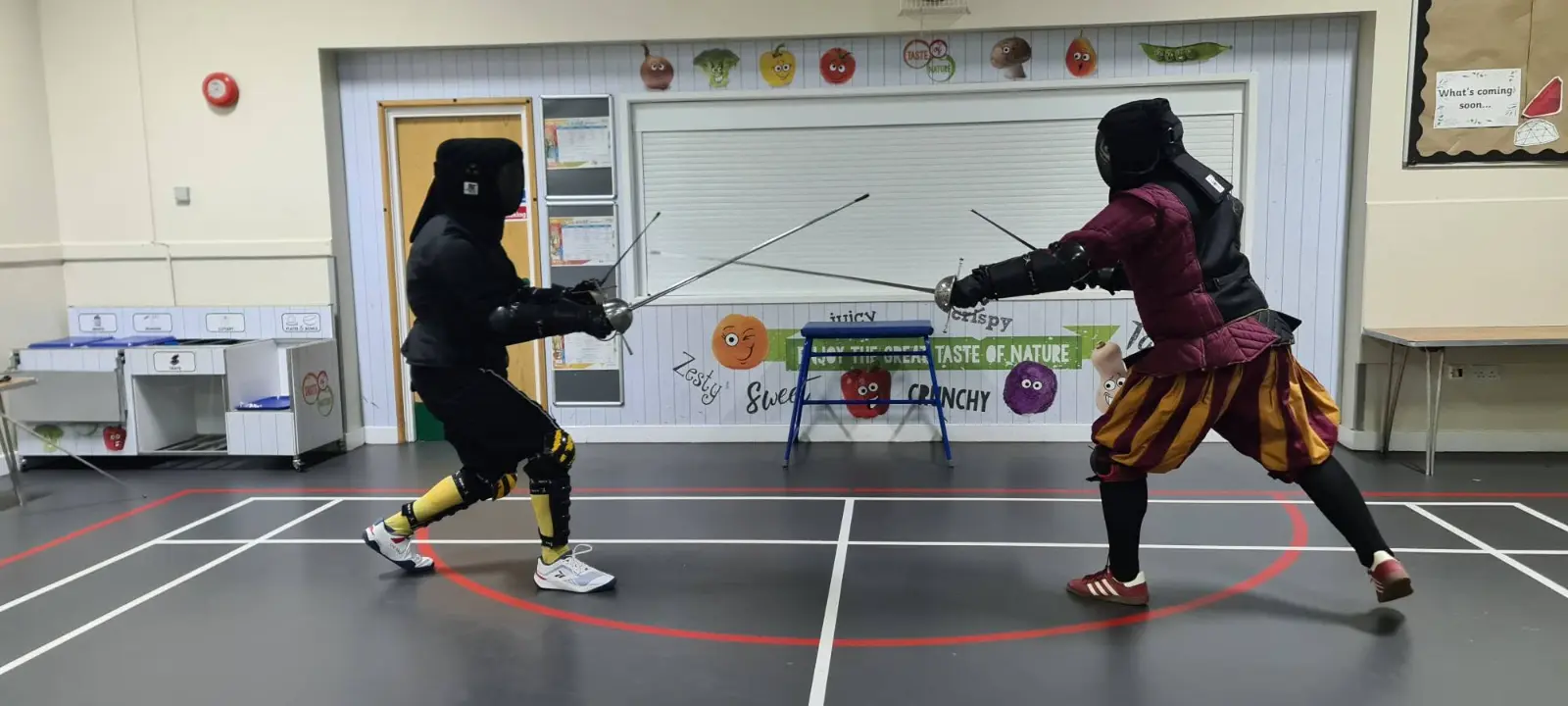
What we practice is closer to what we know as Modern Olympic Fencing, except we use more historically appropriate weapons like longswords, rapiers and much heavier sabres. So a good way of understanding what we do, is calling it Historical Fencing. We are simulating "Unarmoured combat" So one decent strike anywhere, we count as being dehibilitating and fight ending, with a few exceptions, and different rulesets, all giving us a new flavour and approach.
Types of Swords
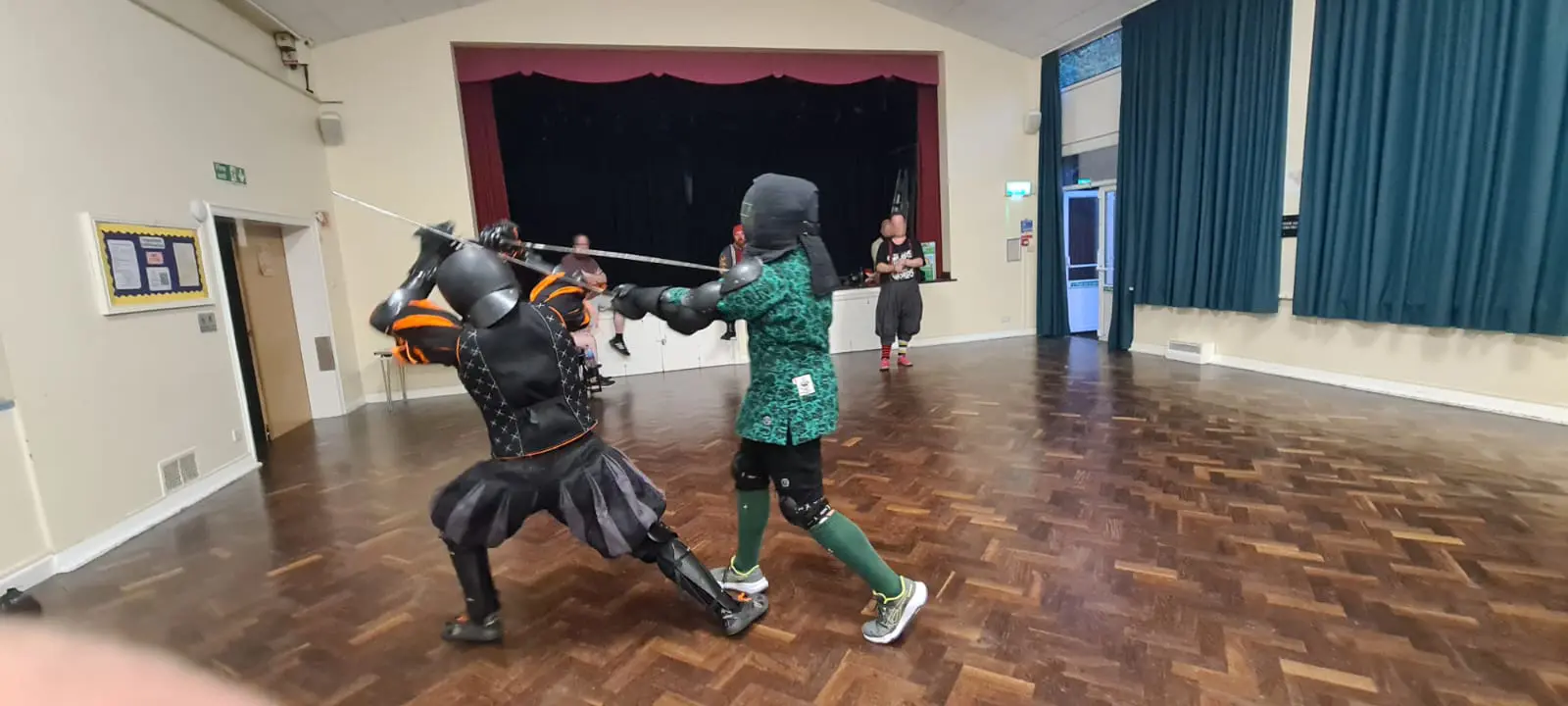
Longsword
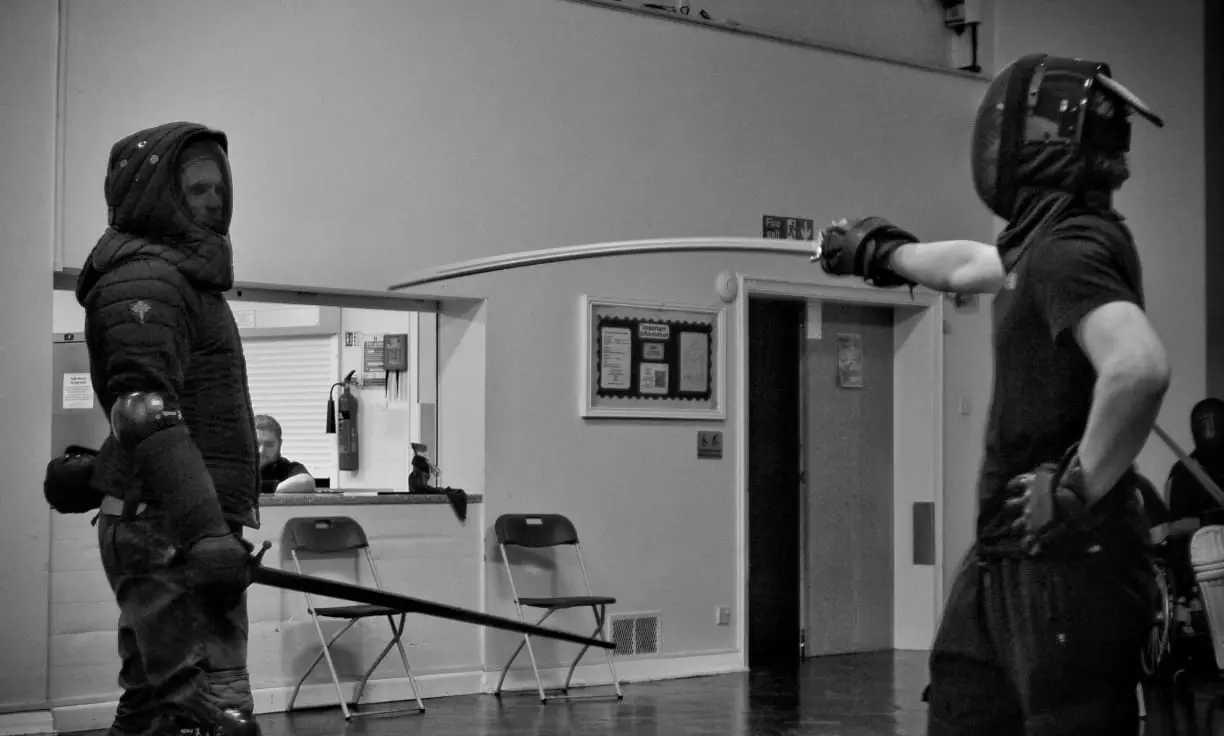
Longsword is the current Poster-boy of HEMA. It looks cool, makes for some interesting exchanges, and has quite an alluring and appealing profile to new starters. Mostly used in two hands, but versatile enough to be used in one at times.
Longsword allows for a lot of manouvreability, strong structure in the bind, and a lot of variety in style and methods of use. With popular and extensive traditions across Europe, there's many sources to choose from and methods to follow, making longsword one of the easiest weapons to get into.
Best suited for people who enjoy getting stuck in with high-intensity bouts, perhaps want to forget what they had for lunch
Sabre
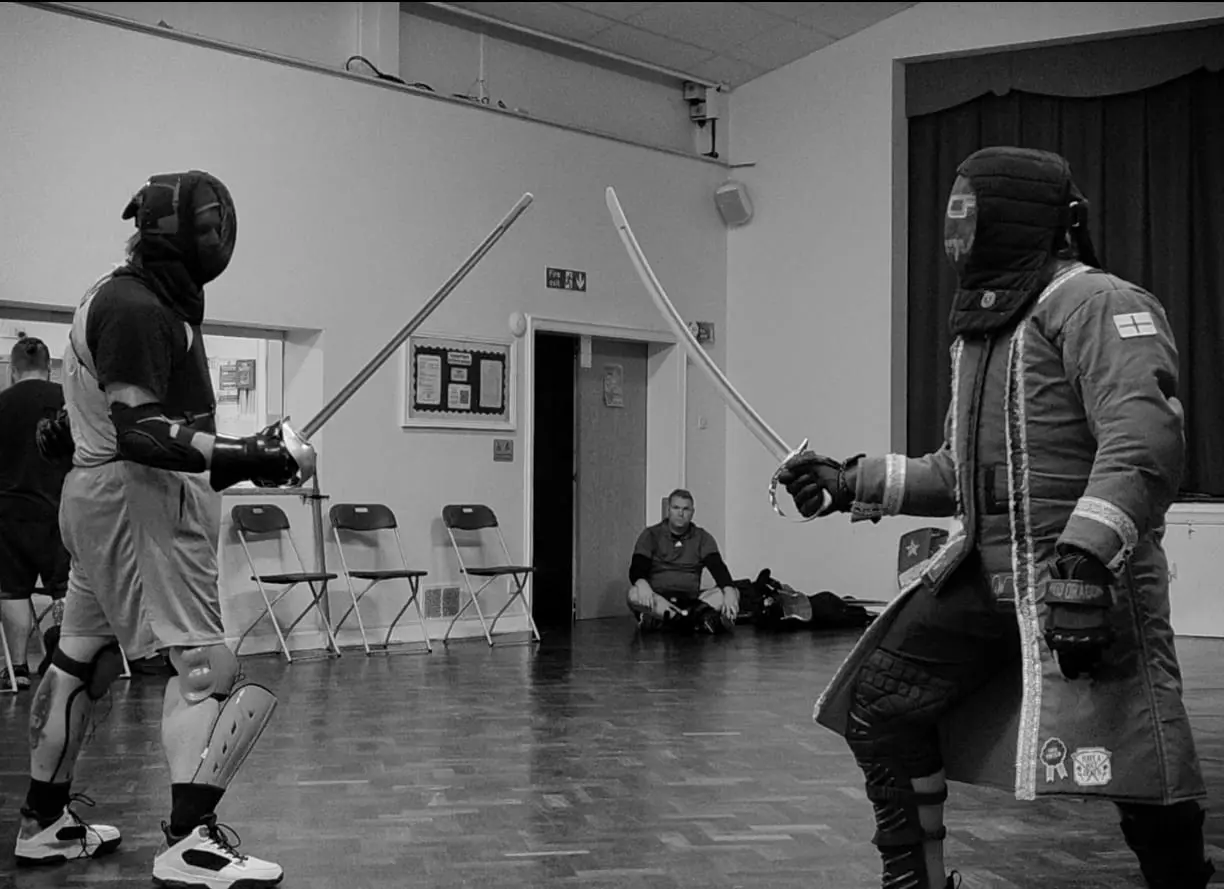
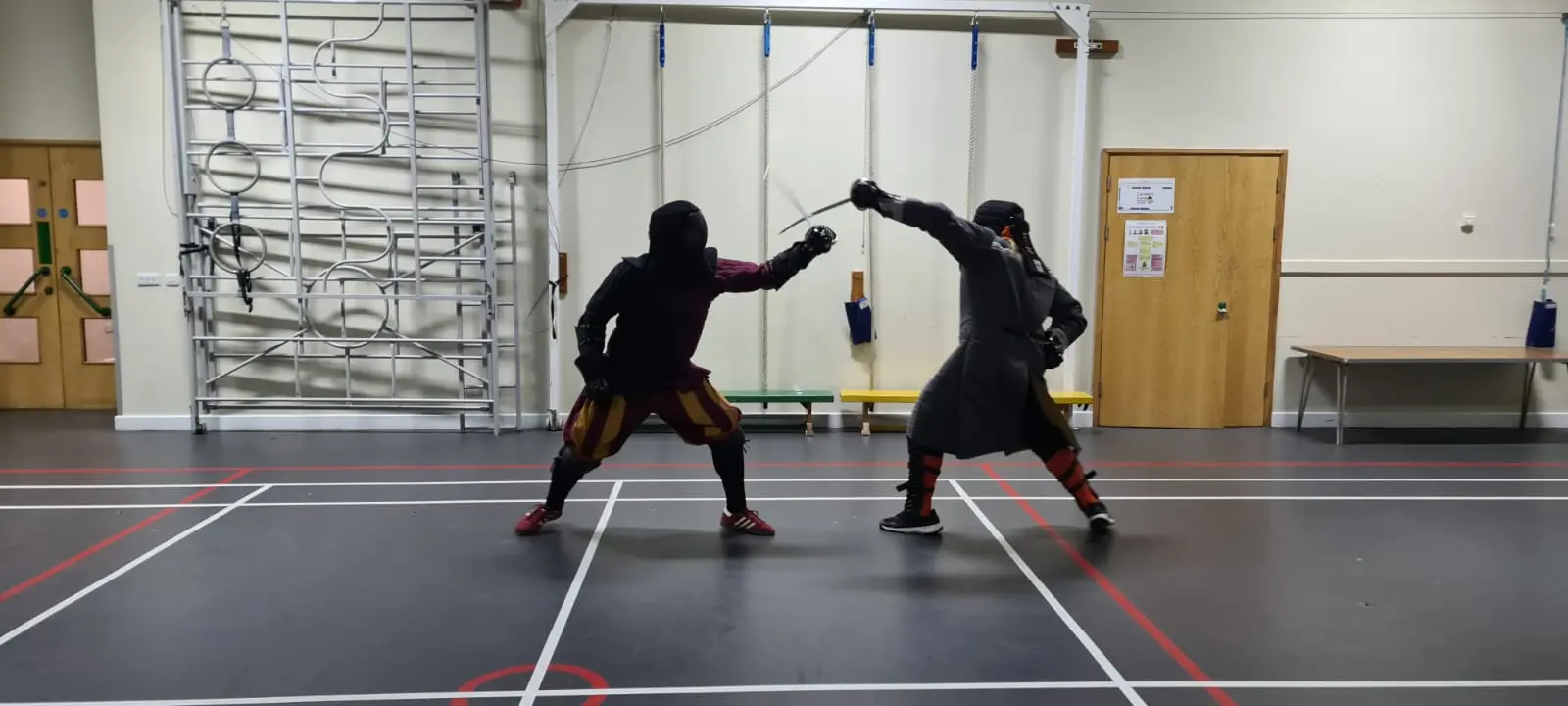
With a defensive metal bowl, sabre brings the fight forward, allowing you to hold a point forward defensive position, meanwhile presenting a most sofisticated threat.
In history, Sabres were used for centuries, Possibly originating from the Chinese Dao, and widespread through the steppes and into Hungary, becoming popular amongst cavalry and infantry regiments across all of Europe. They are still still used today in military ceremonies.
Sabre is second in-line for most popular HEMA weapon, being very easily accessible, and incredibly dynamic. Again, there's so many sources for sabre, across the entire world, not only europe, so it's a great weapon with some good variety. Fights tend to have less bindwork, and lots of rapid exchanges of cuts.
Best suited for those who enjoy face paced bouts with a simple base but high skill ceiling, perhaps also dream of a pirate's life
Sword and Buckler / Sword and shield
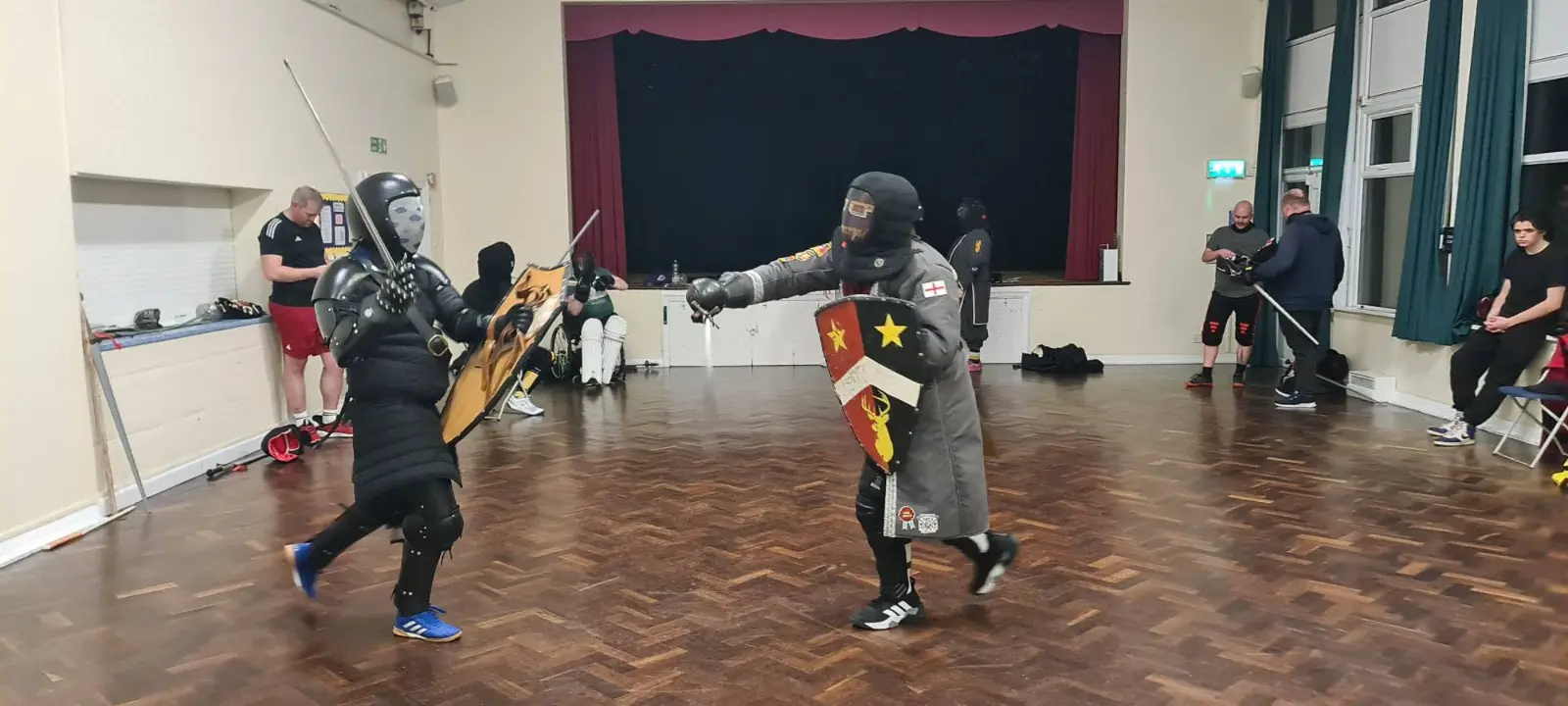
Some of the earliest sources found are of the sword and buckler, buckler being a shield, albeit a small one.
Some form of shield can be found across cultures, continents and throughout many different time periods in history. Bucklers being smaller and lighter, made them a great tool for self-defence and in europe was often favoured by soldiers who had a different primary weapon e.g. a Bow.
Sword and Buckler bouts are as much a game of chess as they are a test of coordination. You're forced into a position where you get a dominant angle on your opponent and control over their structure. This can involve longer exchanges and thinking a few moves ahead.
Best suited to people who want a mental and physical challenge, perhaps believe they were born in the wrong era.
Rapier Dagger
For the more sophisticated fencer, the rapier and dagger are a fine pairing. Utilizing length, lethality and defence, the rapier is the predecessor to what we now recognise as modern fencing. Modern by much of HEMA standards, originating as we know it in the 15th/16th century,
The Rapier quickly took over as the more popular choice for duelling sword across Italy, Spain, France, Germany and England. Although some fencing masters at the time definitely attempted to downplay their effectiveness in favour of other swords of the time, the Rapier on whole lasted. Eventually getting smaller and smaller for convenience and evolving into the smallsword and epee di combat.
Fighting with a Rapier is fun and quite distinct when compared to the sabre and longsword. The rapier's main lethality is in it's point, so setting up thrusts and the intricate binding and bladework involved, really does make for a lovely tactical challenge.
Best suited to those who like tactical and strategic bouts, and perhaps the finer things in life.